
Cool Paths for Hot Days
Planning a Cooler Day Out
Map Reading for Shade Hunters
Timing Your Walks and Rides
Packing Smart Without the Bulk
Where Water Meets Breeze
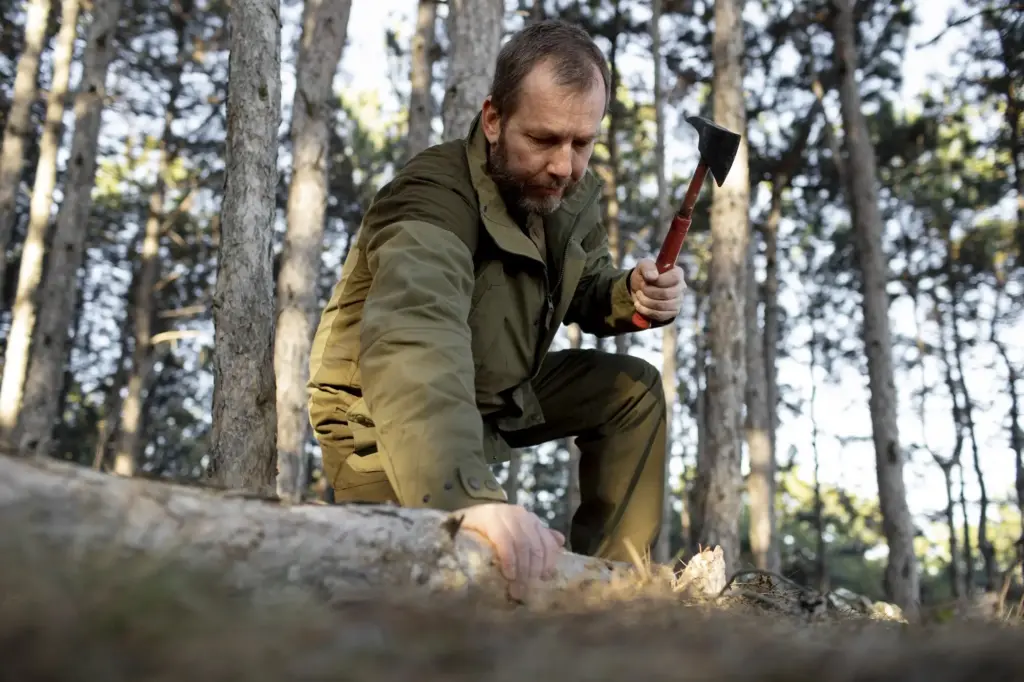
Shelter Under Leaves and Beams
Accessibility Checks That Actually Matter
Stroller and Scooter Logistics
Kid-Motivating Landmarks
Nature’s Cooling Tricks
Trees That Make a Difference
Seek broadleaf allies—sycamores, lindens, oaks, and plane trees—that cast deep, overlapping shade. Young plantings promise tomorrow’s relief but may disappoint today, so route toward mature groves where filtered light dances. Learn seasonal quirks: cottonwoods whisper cooling hints near water; evergreens block winter winds but trap heat in summer. Touch bark textures, smell resins, and teach kids to say thanks, because gratitude deepens attention and attention deepens comfort.
Reading the Wind and Water
Carry a light scarf or ribbon to visualize airflow near buildings, bridges, or fountains. Breezes cool most where water spray or evaporative surfaces abound. River bends funnel drafts under trees; lakesides soothe when inland air bakes. If winds shift hot and dusty, pivot trails toward shaded streets with fewer reflective facades. Treat curiosity as your compass, testing, adjusting, and savoring the precise angle where relief suddenly becomes unmistakable.
Shade Chasing in the City Grid
Urban geometry can be your ally. Tall structures create predictable canyons of afternoon shade; arcades and colonnades extend that protection across sidewalks. Avoid mirrored glass that beams heat downward. Choose narrow streets aligned against the sun’s path, then hop between pocket parks and splash plazas. When crossings feel exposed, pause beneath awnings or transit shelters before continuing. Shade is not a single destination; it is a string of clever choices.
Share Your Coolest Journey
Stay Safe, Stay Connected
All Rights Reserved.